If you have been reading my blog for a while you know I carry a lot of fly lines with me when I fish on stillwaters. I have 16 lines for my 6wt and another 7 or so for my 7wt. You can read all about my lines here. In that post I break down all the applications for the line but knowing when to switch to a different line is just as important as having a line to switch to. I know plenty of anglers that might have 3-5 lines with them but they will still only fish one line the entire day they are on the water. I’m going to break down what instigates my line changes when I’m out on the water.
Depth
This is the most obvious reason you would want to switch your lines. You feel or even see fish on a fish finder at a deeper depth that you can reach with your current line so you get a line that sinks quicker to get to those depths sooner and more efficiently. Lines come in such a variety of sink rates nowadays from .5 inches per second all the way to 9 inches per second. So you may need to just get your flies deeper.
I know some of you reading this will think to yourself, “I already have a type 3 (3ips) line. Why do I need another line that sinks only 2 inches quicker per second?” You have a point you can wait the extra time to get to the depth you want to fish at but if I’m with you and fishing the same water as you and I have a type 5 for example, that means I get to fish 66% quicker than you will. It means I can fish 66% more efficiently than you. And the deeper we are fishing the more dramatic that will feel
Retrieve Rate
This is an overlooked reason to change your line. Sometimes fish want your flies at a specific speed at a specific depth. So you may be willing to wait to get your flies to depth, but if you retrieve your flies at the rate the fish are wanting, the line will come up in the water column out of the depth you want. This is something competitive anglers run into because they are fishing from a boat with a drogue. They may need to speed up their retrieve to match the drift of the boat but want to keep their flies at a specific depth.
I also will change my line to a faster sinking line, even when anchored, if the wind speed picks up. Wind speed is usually my starting point for retrieve speed. The faster the wind the faster I’ll pull my flies back. This is for the reason mentioned above, with the drogue, also because fish get way more comfortable chasing flies when there is more wind chop on the water. The waves help obscure a predator’s view and they get way more aggressive. If there is no wind I try to fish as slowly as possible.
Tangles
I’m sure you’ve run into this yourself. You’re making a great cast and as the line is shooting through your guides it gets caught on a tangle or a knot in the line. This almost always happens in the running line and happens the worst with fast sinking lines like type 5s and quicker. It sucks. Even if you do get a cast far enough out there now you have to untangle things and hope you don’t get a grab or snagged into the weeds as your flies sink. It drives me crazy. These tangles will almost always happen with thin lines. The running lines for a lot of these sinking lines no matter the brand are very thin and they keep making them thinner. Thinner lines help with the sink rate and it reduces the need for more tungsten powder in the lines. Now most anglers just deal with it and I deal with it too, but from following some UK anglers and my own experiences on the water I have found sweep or parabolic lines don’t tangle nearly as bad and uniform sinking lines. So if you can switch to a sweep line instead of a standard sink rate line you will tangle less.
Presentation
Not all lines function the same even if they have the same purpose. Sweep lines have a variable sink rate that can be more conducive compared to a uniform sinking line. The same thing happens with dry lines or even midge tips. I have two dry fly lines for my 6wt setup. This isn’t just because I’m crazy but because they do different things. My Scientific Angler Stillwater Indicator line is just what you think it is, a line that can cast an indicator and flies with ease. My other floater is the Airflo Superflo Floating line. It casts dries a lot more gently. I only use the indicator line when fishing pulling flies, boobies, or indicators and I use the Airflo line when I fish dries, dry-droppers, or want a more gentle cast. I have four different midge tip lines. They all have different lengths and sink rates so I can get flies to where the fish are swimming.
How you’re fishing makes a difference too. If you fish from the bank more often than anything else then you might want a plethora of sink tip/midge tip lines where if you fish from a float tube or boat you might want all the sweep and full sink lines you can pack into your pouches. When you fish with a drogue you learn that you need a lot of lines.
Conditions
Like with wind speed other changing conditions throughout the day change which line you want to fish. I was going to write a slough of different condition changes but it all really comes down to air pressure changing. If the air pressure raises then fish tend to go deep any cloud cover you had will start to disappear. You’ll have to slow down a ton and fish deep. Those are some of the toughest conditions. The inverse can happen as air pressure drops. Clouds and rain will move in and fish can become incredibly aggressive.
Hatches would also fall under condition changes. I was fishing a private lake in April one year. Unbeknown to me they get very early callibaetis hatches. I had to change lines quickly and get emergers and soft hackles tied on as quickly as I could. Knowing how to tie knots quickly and having a method to change your lines is incredibly important in times like that.
Your Gut
I have spoken to competitors and competed myself. A mantra that is used within stillwater fishing competitions is, “If you think you should change your line, you should’ve changed it 10 casts ago.” There’s a reason for this. As an angler you should trust your gut. There is something about intuition and experience that can inform your decisions. Recently I was fishing Diamond Lake and there was a point while fishing my fast intermediate line and I thought I should change it to my sweep 3 line. At that moment I remembered the mantra, “If you think you should change your line, you should’ve changed it 10 casts ago.” After that my catch rate started to go up. I was able to do it again once we drifted over some deeper water with a shorter weed bed and I swapped to my type 5 sweep line. There is something about your gut that can catch you more fish and inform you when you need to make a change.
Even after reading all this you might think, “Great I would change my line more often when presented with this, but I don’t bring 7 rods into the boat with me and doing a loop to loop connection over and over would be tedious.” I agree. I tie my leaders to my line with clinch knots. I don’t even bother with the loop to loop anymore. Some lines even have tippet rings instead of the loop because this method makes so much more sense for stillwater leaders. I have found that my leaders don’t really cut into the fly line. If you do think they will tie on 3’ of butt section of heavy tippet like Maxima Chameleon or just 0x fluoro. I typically don’t because I haven’t seen a performance difference either way.
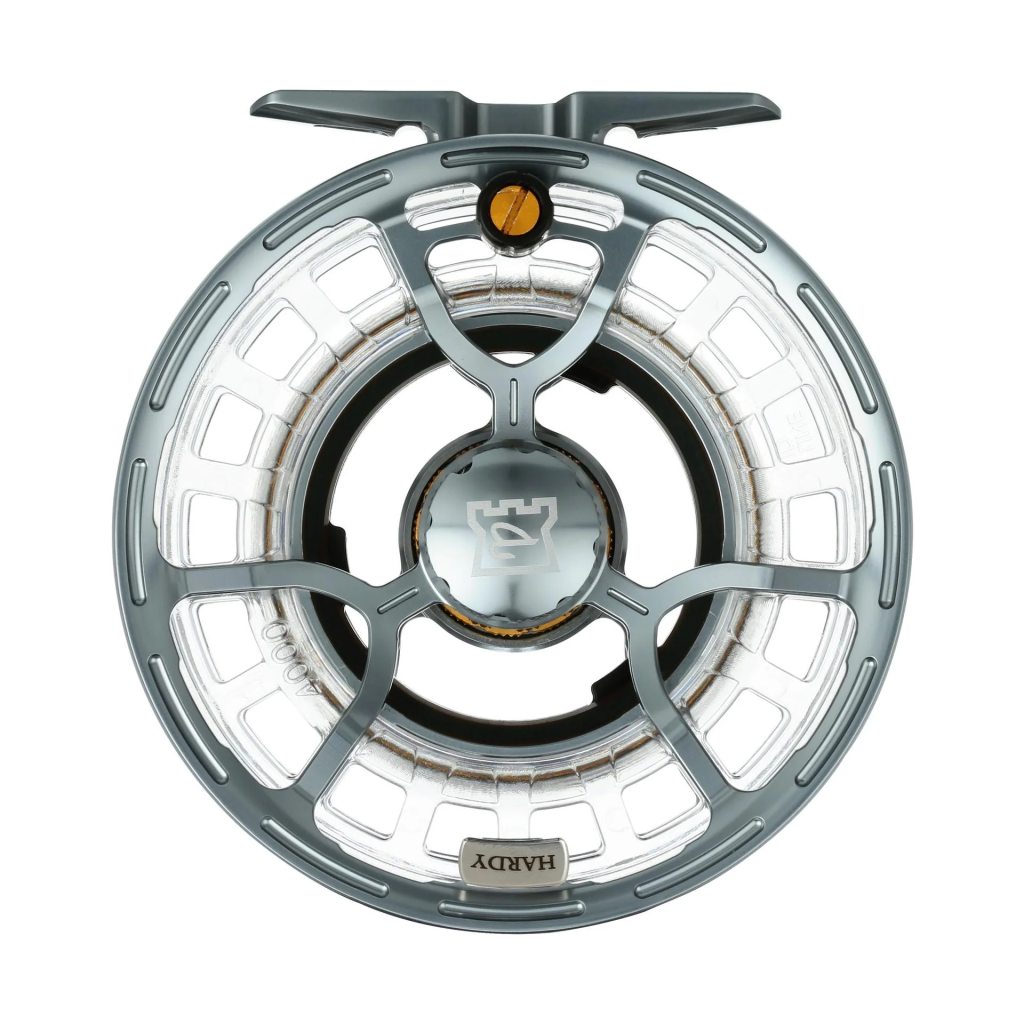
I also use cassette reels instead of traditional fly reel with traditional spools. If you plan to get into this hard-core I would get a cassette reel. The best bang for your buck at the moment is the Airlite Switch reel. If you want the best of the best, Hardy has a cassette reel called the Averon. There are more brands out there but they tend to be exclusive to the UK and European market.
Hopefully this will encourage you to make the line change before you change flies. Depth and retrieve are so important to catching fish. Flies do matter but if you can get any flies to the right depth that 75% of the battle and I bet you have the right flies somewhere in your boxes, I know I do.
Like always please reach out with any questions or comments and hopefully I’ll see you on the water.
GL