As I dig more into saltwater fly fishing here in Oregon, surf perch are the next logical step after the jetties. They are plentiful along the coast and easy to target year round. They can be slightly hard to find as their habitat can be vast when you’re walking along the beach but when you do find them it can be hours of fun. You can target them with gear and that is what 99% of anglers do, even avid fly angler I know, but they are a blast on the fly. The Oregon Department of Fish and Wildlife hosts clinics along the coast to teach people how to target them but never on the fly. Hopefully this post will convince you that you can get out there yourself and catch them on the fly.
Location
The smart-ass answer on where you can find them is literally any beach from about the bay area in California to the beaches in Washington State. That doesn’t help you directly. It’s not like brown trout where I can tell you to go to Diamond Lake or East Lake or the middle Deschutes and you can find them. The nice thing is you don’t have to quest for them. If you live in Portland, Salem, Eugene, Medford, or any other towns along the I-5 corridor you can get to surf perch in about an hour. There isn’t a beach that won’t have them. That being said if you do head out to a beach you might have 10’s of miles to search to find a concentration of them. Don’t chase reports either. If you see me post on instagram or see a post in a Facebook group just ignore them as far as fish location goes. Unlike trout in a river following a hatch these fish move constantly and rarely hold in a single location. The best piece of advice I’ve gotten is look for creeks or small rivers leading into the ocean. They tend to hold fish.
Habitat
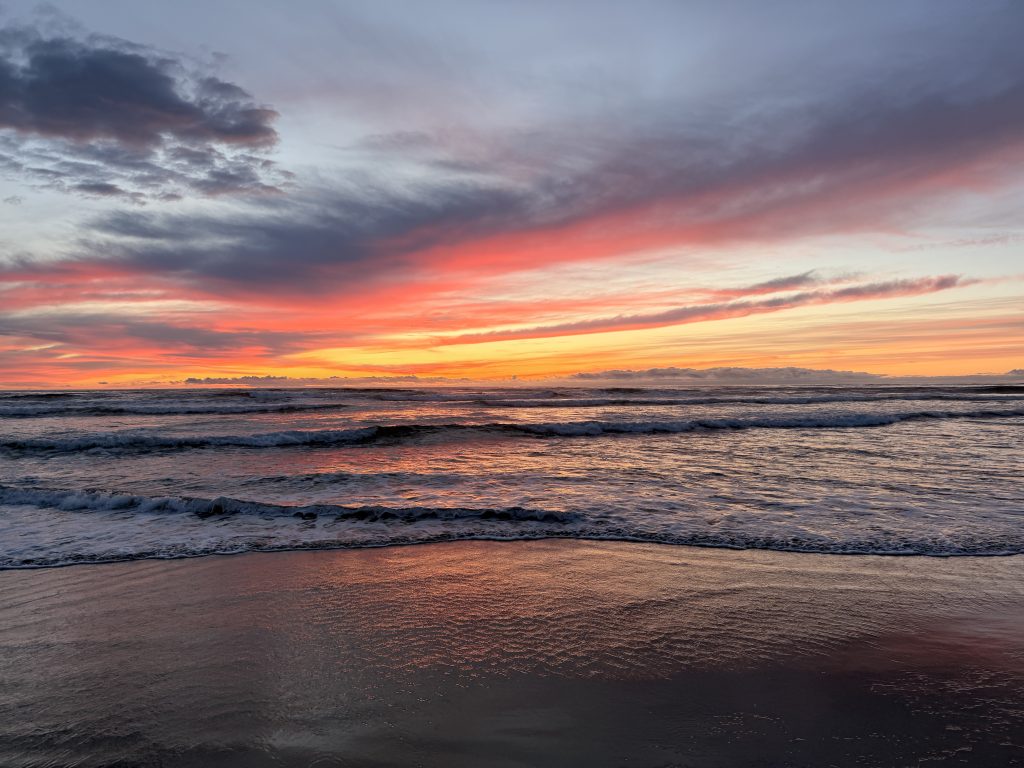
Surf Perch are born, live, and die within the surf. They give birth to live young like a lot of rockfish species and they don’t stray from the surf. They have that name for a reason. Below is a diagram of how they move through the waves. Because the tide is changing water levels and wave activity as well the fish move in a gyer that allows them to find food and move up and down the coastline.
They enter and exit the waves using rips. Rips are the areas that return the water that comes up the beach when the waves crash on the shore. These are extremely dangerous. People caught in rips can’t fight the current and can be swept out to deep water too far to swim back to shore. Please be mindful of them. They are easily spotted when rivers and creeks enter the ocean and between crashing waves. Look for the foam heading back out to sea. Despite the danger they are good fishing spots being the main highway for the fish to travel. The main spot people catch these fish is in the troughs or guts the waves create. When a wave crashes down it creates a valley. This valley is deeper than the surrounding sand bars. This is where the food is and were the fish will be. You spot a trough through looking at the foam in the flat water after a crashing wave. That is where you want to cast. These fish need about 12″ of water so no need to find 7′ or even 4′ of water to fish in. Some beaches are shallow and allow you to wade out far and that can be great if your casting distance maxes out at 30′, but if you can cast well and consistently cast 50′-70′ steeper beaches are an option for you as well. The biggest downside to a steep beach is if you do fall in there is less time for recovery and things just happen quicker on steep beaches.
Diet and Flies
These fish eat one thing and one thing only, mole crabs. About 90% of their diet is mole crabs. They are fish so they are opportunistic and eat other things like worms or fish, but they love mole crabs. You can spot the crabs in the sand as a wave recedes. There will be little “V’s” in the light skim of water or sometimes little bubbles. If you dig an inch under the sand you’ll dig up a mole crab. They can be as small as dime or as large as a half dollar. Surf perch don’t care and will eat them all if they can.
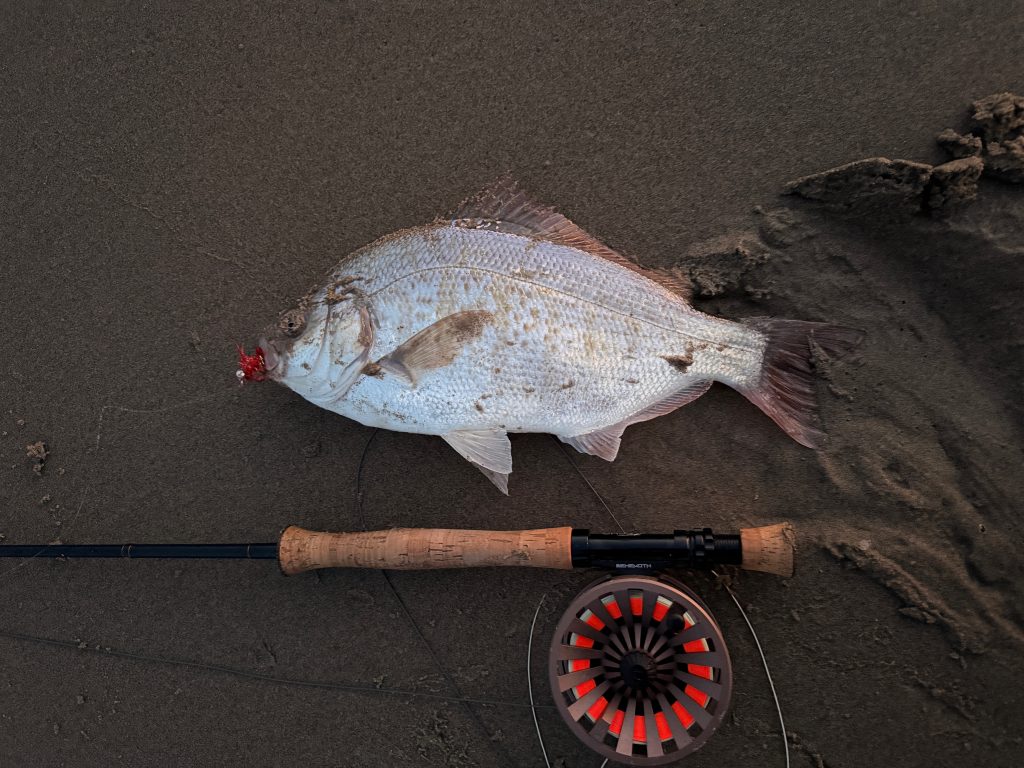
As fly anglers we are trying to match the hatch so flies should look like mole crabs. I have a few patterns that I tie that look a lot like them using tan and grey colored materials. Pompano patterns are usually what people fish, or bonefish patterns. I like Sam Allen’s mole crab a lot. I also fish Vlahos’ mottled mole crab as well. Both of those are good places to start. If you don’t tie your own flies then Veverka’s mantis shrimp is most people’s go to pattern. The easiest pattern I fish and tie that catches fish is a crystal bugger in red, a surf lolly. The difference is I only do a hackle collar and I use large or medium plated lead eyes. If nothing else you want your flies heavy so they sit on the bottom.
Gear
I fish my 8wt. You can use a down to a 6wt if you want. You will be casting a ton. You are casting constantly and an 8wt is easier to cast all day at distance than a 6wt or 7wt. As far a reels go you want something salt safe. The lamson series of reels is good for that. I currently use an unsealed drag reel, the Redington Behemoth. I wash it out after every use and it has allowed me to fish with this reel in the salt without any problems. Now line is really important. You need a sinking line that sinks at least 3ips. I use the Scientific Anglers Sonar Triple Density line in I/3/5. The same line as I use on the jetty. In fact my rod, reel, and line are the same as I use on the jetty.
I use heavy tippet, 20lbs, but you could fish lighter like 16lbs or even 12lbs if you think you wont run into any kelp. Fluorocarbon of course for the lack of stretch and the abrasion resistance.
I also wear waders and rubber soled boots when I’m out there. If you have boot foot waders this is a great place for them. Waders are optional but damn the Pacific Ocean along Oregon’s coast is cold! around 40-55 degrees for the most part. That means it better be pretty warm outside to get me out of waders.
I also have a stripping basket mostly so I don’t trip over my fly line when I’m walking in and out of the waves. I pack everything in a waterproof sling so I can wear it while I fish. You will be constantly moving so you need everything on your person.
How approach the water
Now that you’re at the beach of your choosing kitted out with everything you need and a fly is tied on. Now what do you do? You might have 10 miles of beach in front of you. So my suggestion is to just start! Cast into your first trough and keep tension on your flies. This means you will need to strip the flies in, usually slowly but still maintaining tension. If you don’t get a take, then take a step up or down the beach and repeat. You do this until you catch a fish. It could take seconds it could take hours. The first time I went out it took four hours of casting and stepping until I caught a fish. You can cover more water quicker if you want. Take three casts then walk 50′ down and do it again. It really depends on how much you want to pick apart the water. Tides play a factor. You want to fish the slacks or an incoming tide. But like rockfish the tide doesn’t matter a ton. The fish don’t leave they are always in the surf.
Now when you get a take it should be obvious. These fish are moving quickly through the troughs to beat the receding water and to get to food before another fish does. So when they find your fly they find it hard. The takes are extremely positive and if you set hard you won’t miss them. The waves are what you’re really battling. You are hoping the surf the perch in on an incoming wave and stop it from riding out the receding water. It’s a total dance from casting to fighting. The bigger ones get up to 16″-18″ and pull really hard. The average fish is around 12″.
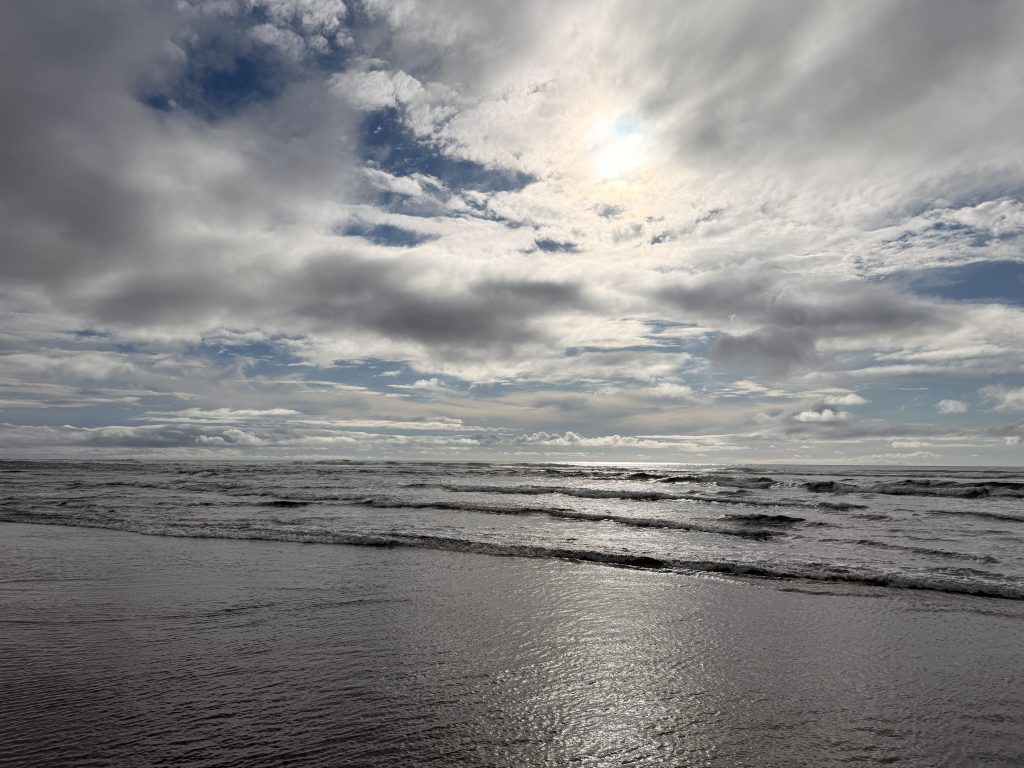
These fish are a lot of fun to fish for. You can use your time on the water here in Oregon to prep you for your next trip the Bahamas, Hawaii, Christmas Island, Madieves, or even the Seychelles. When the weather is good it can feel like you are in a tropical destination. Plus these fish are delicious. They have a really nice sweet meat, this is because their diet is shellfish. A fish sandwich is my go to for these guys. The redtails are the best eating but the barred and silvers are good too.
If you have any questions about gear or flies or anything else please let me know!