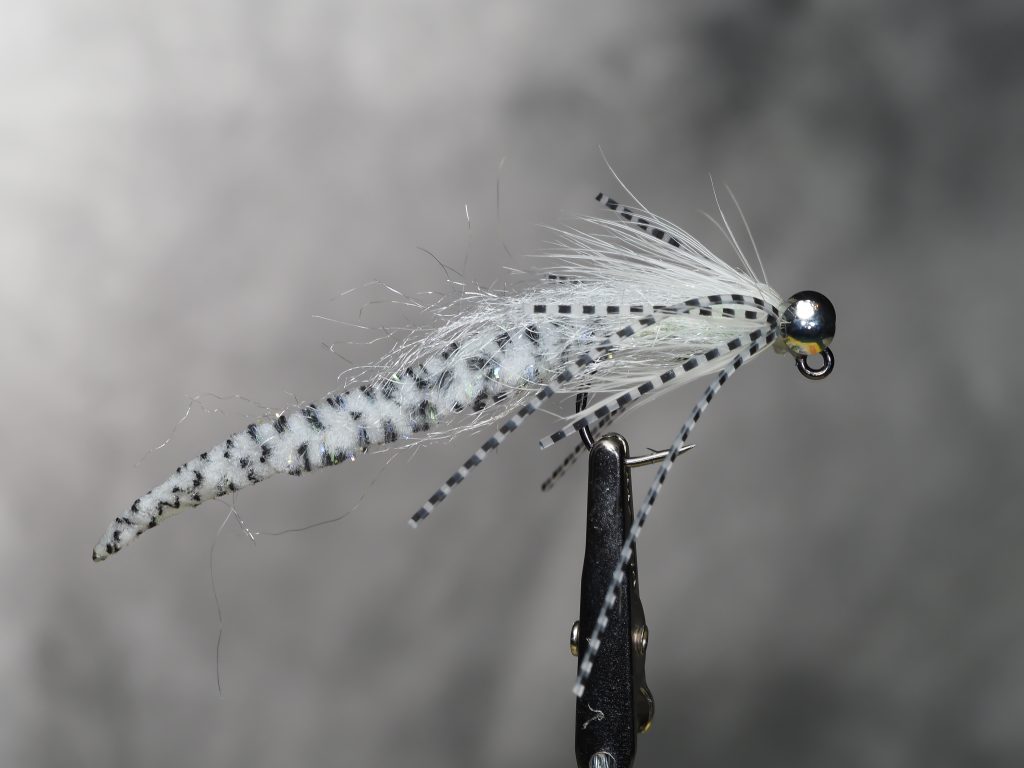
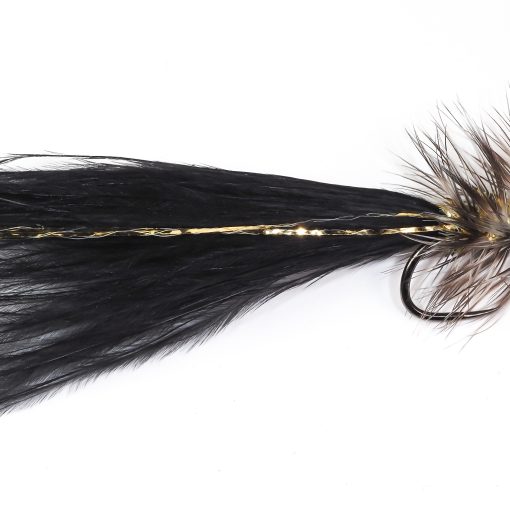
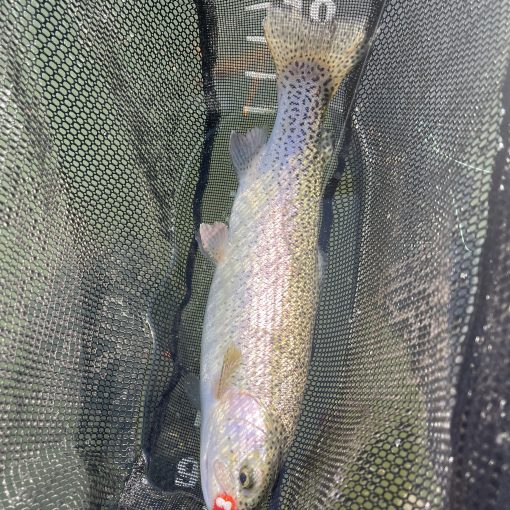
Back in 2019 I wrote an article about fly design for rockfish. There aren’t a lot of resources out there about rockfish on the pacific coast. I think I have produced the bulk of it at this point. That all being said, fly design plays a factor in this type of fly fishing like it does for any other fish. In the last blog post on this topic I focused on simple, durable, and heavy as my main factors when it came to those flies. When an angler gets out on the rocks they tend to lose a lot of flies to the kelp, fish, and mostly the rocks. So the factors I was focused on made sense. Now it’s been 7+ years of hitting the jetty hard and I have a different idea of what flies work out there and why. This is my revisit on these flies and more into the weeds on how my fly tying process goes so forgive me if this gets a little “dense”.
Hooks
Hooks are a major component to any fly pattern. I think a lot of tyers and anglers overlook this piece. I wrote an article for Fly Fishing and Tying Journal (that went out of business before it was published) that I broke up into a two part blog post about hook choice (Part 1 and Part 2). The hook is the foundation to any fly pattern. Hooks matter. For example a curved hook when stripped in (without proper keeling) will spin and spin. For rockfish you want a hook that can keel your fly correctly, withstand the abuse of the fish and rocks, remain sharp, and be salt water safe. There are only a few brands I trust that hit all those attributes. Gamakatsu has been the industry standard for the last 20+ years. They make a great hook and are one of the few hook companies still manufacturing their products in Japan. The hooks are quality and I have yet to buy a package with a “bad” hook in it. The brand is recognizable and available to most tyers and fly manufacturers. They are expensive even buying in bulk, but like most things you get what you pay for. The other brand I like a lot is Ahrex. They produce some really nice hooks and innovative hook styles. Their hooks are designed in Denmark but made in China. This makes them a more affordable hook but I have a lot of confidence in the brand and the hook. One of my favorite things Ahrex does is the spec sheets they have on their website for all their hooks. I love knowing the size, relative size, wire gauge, and material/plating of each hook. The main thing to look at, no matter what brand you go with; are the hooks plated. Some plating processes are more durable and some materials are more durable. Ahrex uses a nickel based alloy and Gamakatsu uses a zinc based alloy. They both serve the same purpose, corrosion resistance. They are also equally as durable. The biggest difference is the zinc plating is shinier but not as smooth as the nickel alloy.
Weight & Buoyancy
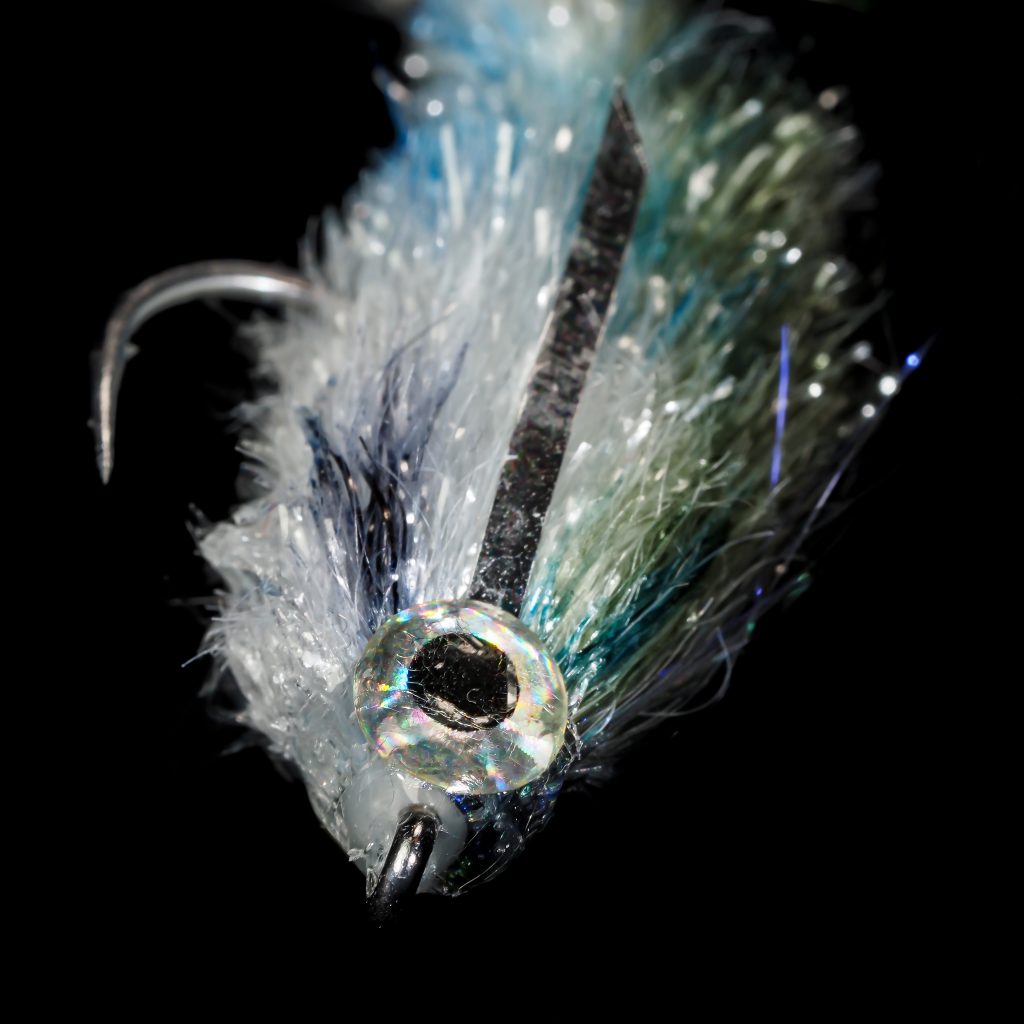
One of the things I learned early on in my fishing of the jetty was weight matters and it needs to last. I used brass eyes on nearly all my subsurface flies. Clousers, jetty worms, and other baitfish patterns all swim and fish great with brass eyes. Lead is just too soft and will break and fall off your fly if the rocks don’t grind them off first. Tungsten is good and I get why some anglers use it, but the price of tungsten is on the rise (exponentially) and sometimes it’s just too heavy. I was fishing a pattern that had the spawn 6.3mm tungsten bead and it was so hard to cast and when I rifled it into my shoulder on a bad forward cast it felt like I was hit with a .22. Large brass eyes get the job done for a very reasonable price. When it comes to buoyancy I use EVA foam in various sizes. EVA foam has become more readily available because of cosplayers and elaborate costume design for movies and TV shows. So us fly tyers can get in on the action a lot easier. My 10mm anchovy is just a block of EVA foam cut from a sheet into what I guess is a baton or matchstick. They cost pennies to make. I also use the crease fly kits from Rupert Harvey and they produce a beautiful fly, especially if you can get some transfer foil on the foam.
Durability
There is no indestructible fly out there. I really try with my tying to make the most durable fly I can but nothing is bullet proof no matter what the marketing will tell you. Rockfish are really tough on flies. The crushing plates in a rockfish’s mouth are brutal on flies. It’s like rubbing your fly on 80 grit sandpaper. The teeth on a lingcod are recurved and plentiful so they do a number on flies as well. So besides switching to brass eyes on your flies; coatings, thread, eyes, body materials, and soft material will all make a difference in the durability. I use a lot of CA glue and urethane adhesive. The CA glue is used for quick non-flexible adhesion of materials. Being a cyanoacrylate means it interacts with some materials differently than others. When it comes to most plastic fly tying materials like synthetic hairs or monofilament, CA glue essentially melts the material slightly on contact and then as it completes the chemical reaction and solidifies so does the material. This is very similar to how PVC is “welded” together in plumbing. This makes a very durable fly. The down side is you need to use mono thread, which is annoying to tie with, and you have to use synthetic hair which is prone to tangles and matting if not combed often. Natural hair is less durable for the lack of reaction to the glue and the material just can’t withstand the abuse as well, but natural hair moves better and rarely tangles. My saltwater flies are not afraid of glues and coatings. Jetty worm bodies are glued down so if fibers are broken from the flat braid the entire body won’t unravel. Foam flies are coated in Gorilla Glue Clear or Liquid Fusion to create a teeth and rock resistant layer. The last popper I fished out there had the tail broken before the foam took any damage at all. Some fish are sensitive to coatings and glues but in the case of fish found on the rocks they couldn’t care less.
Motion
The way a fly moves in the water makes a big difference in whether a fish will eat it or not. This doesn’t mean you have to make purely a rabbit or marabou fly pattern that moves without imparting any action on it, but you need to think about how the fly will move in the water and the action you plan to add to it. One of the commonly understood principles in fly tying is the more motion a material has, the less durable it is. There are exceptions but this is generally a good rule to follow. The synthetic clousers move far less than the bucktail clousers, but they are 10x the durability. They excel because of the action and profile, not the motion of the material. Jetty worms work well because of the mop chenille tails. Those suckers move great and if you burn the end to seal the core it should last at least the entire fishing session. When I fish a game changer the swimming action is incredibly alluring. Rockfish don’t see a fly (or even a lure) like that often, but what gets them to bite is the pause. The way a game changer pauses and lilts to the side, like a dying baitfish, is so natural it’s not a question why it gets eaten so voraciously. Game changers are a more expensive fly to tie. Not really in materials but in time. You’re looking at 30+ minutes tying it and another 15+ minutes doing final trims and setting eyes. The only good thing with this pattern is the slow sink rate, lessens of a chances to snag a rock or very sturdy piece of kelp. You can use materials like rabbit zonkers or marabou. The biggest downside to those materials is they are natural materials and hydrophilic. That water absorption makes them a real chore to cast. I really prefer a hydrophobic synthetic, especially at night.
Those are the main principles I follow for rockfish flies. I also use these in almost all my other tying no matter what species I’m pursuing. One of the things I believe sets great fly tyers apart from good ones is how they think about flies as a whole and all the components that go into any given pattern. Rockfish feel like a new frontier for PNW fly anglers and the same goes for the flies. I think this gives anglers something new to mull over and play with. So if you’re thinking about going after them I hope this inspires you and even if you don’t maybe this can help you improve your own tying for your local fish.