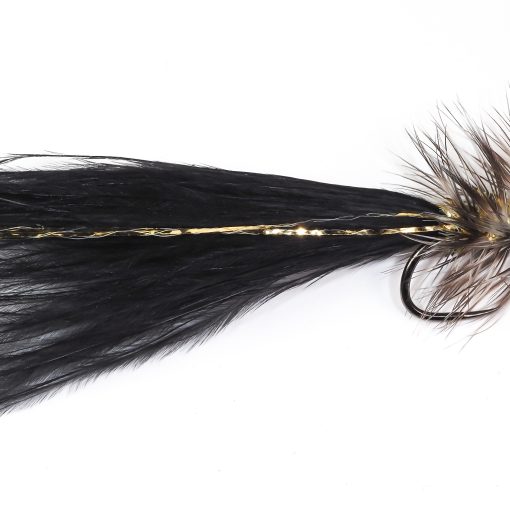
When I tie flies at shows or speak at clubs or fish with friends or fish at a comp the two top questions I get asked are “What flies are those?” and “Where did you find that material?” So for those that don‘t get to see me in person at a show or on the water let me answer those questions and help you discover unique materials and patterns on your own and hopefully help you design your own pattern or variation that catches you more fish
This article will not be a list of fly shops, distributors, or websites you can go to and find all these “treasures”. I would hate to rob you of the joys of discovery. It is also the same reason I try not to name too many spots I fish. Sometimes, here and there, I will, but finding water, materials, and flies on your own is part of the entire process. This also means you are either going to have to bother your local fly shop a lot to bring in a new material or you’ll have to seek it out elsewhere. This isn’t because fly shops don’t want to carry some of these materials but because the demand for them is very low generally. A fly shop like any business is there to make money and if one or two customers buy one or two packs of a material that is not enough to keep the lights on. Most of my unique materials come straight from the manufacturer or from fly shops located outside the United States.
That all being said, the first place I find new materials is Instagram. Instagram has changed a lot over the years and the newest version of the app makes it very video focused thanks to the meteoric rise of TikTok. But you can still have the same experience I had in 2013-2020 on Instagram today if you make a few small deliberate changes. First, you have to have more fly fishing and fly tying accounts you follow versus anything else. That means less sports, political, fashion, art, etc. accounts and more guides, tyers, shops, anglers, competitors on your follow list. Next, you should see who those people follow and follow them as well. Next, this is the active part, you have to go to your explore page and curate it. This means doing a long press on content that is not fly tying and fly fishing related and saying “you’re not interested” and blocking repeat offenders. This means thirst traps, tattoo pages, conventional fishing, sport highlights, etc. It also means interacting with the fly tying content with likes, comments, follows, and saves. This is hard because it’s not passive but you are training the algorithm so it only gives you or mostly gives you fly tying and fishing content that is new and different. My saves on instagram are curated so I can go to the deer hair tab and see all the deer hair flies I have saved over the last 10 years or all the stillwater attractor flies I’ve saved. It’s really helpful. The last thing is to just comment on a post and ask what material you see on the fly. Anytime someone asks me I’m happy to reply with the answer because that is probably how I found out about it before them.
The next place is Youtube. I spend a lot of time on Youtube just typing in “fly tying” in the search and filtering the videos to show me the most recent first. I also change my location on Youtube and that can sometimes help me find hidden gems. With how prolific 4k quality is now I have screen shotted videos when they pull their fly boxes out and reverse image searched flies or just tied them based on all the material I could figure out and then reverse engineered the pattern from there. This is just a peek into my insanity with how obsessed I am with this hobby and sport. One of my best Deschutes river flies was my take of a pattern from a screen shot from a video of a couple of New Zealand angler’s fly box while fishing a New Zealand river. I know, it’s a bit much.
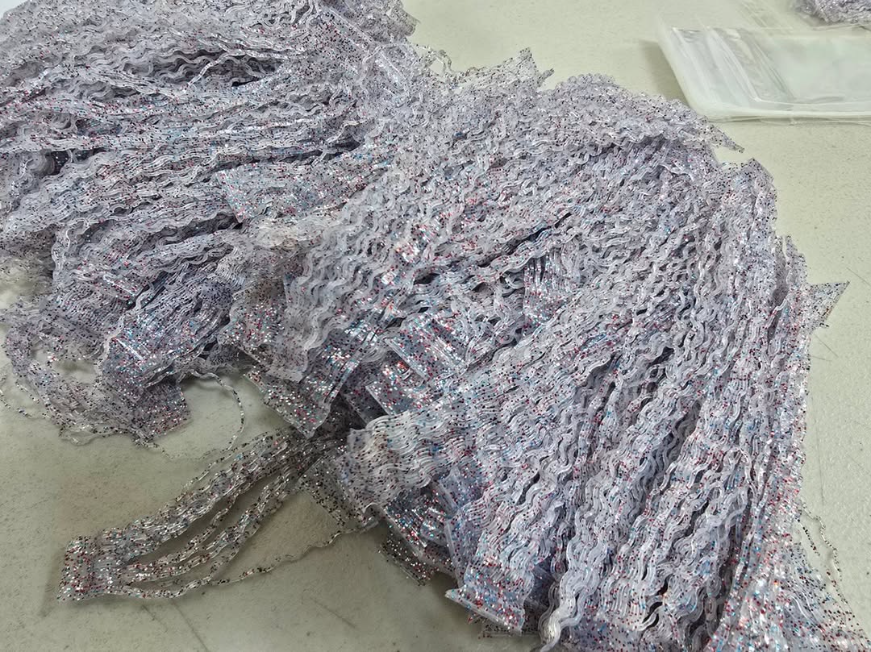
So besides Youtube and Instagram as places to look, the next piece of advice I would give would be to pull on the strings you find out there. Just because you found one post of a pattern that you liked with the recipe in the caption doesn’t mean you should stop there. Go deeper. I’ve saved a post, went to the creator’s page, found in their highlighted stories that they tagged a mutual they went on a trip with, and then found another page of an under the radar tyer that was never fed to me and probably wouldn’t have been fed to me for another year or two. This also helps you find materials that were intended to be used for one style of fly pattern that you could repurpose for a different style altogether. The jetty worm is a great example of that. The mop chenille used in the tail is supposed to be for mops for trout and carp and the like but Spawn used it for a longer tail on a streamer and it works great and honestly has led to multiple fly innovations because of that. You can even find new uses for non-fly tying materials like Chicone’s Contraband Crab. I tied them for a friend that was permit fishing in Belize and I never thought to use natural scotch brite as a material.
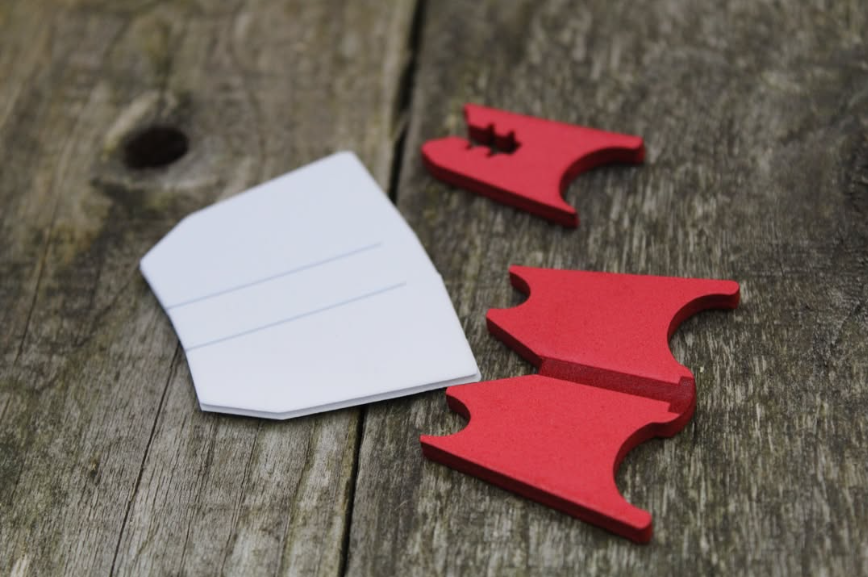
The last bit of advice I would give is tie something that is out of your wheelhouse. My dear friend Jay Nicholas was the king of that. I remember going over to his house and seeing his fly box he did full of tarpon flies. Has Jay gone tarpon fishing? No. Is he planning on going? Also no. But he did learn a ton about hooks and fly design and what makes those flies tick. I went on a tube fly kick for a minute and that was loads of fun. I got multiple different tube fly chassis and systems and learned how to do it. It was extremely educational. Now I’m working on a pattern with an extended body from a popper head and a tube inset will work perfectly there and I didn’t need to go on the hunt for a solution to a problem.
I’m not the end all be all fly expert. I have never invented a pattern, material, system, or technique but I have done a lot of work cultivating and storing a lot of other incredible fly tyer’s knowledge and I try my best to distil it down into a palatable tidbit that people who have me speak or watch me tie. I hope those who read this post and follow me get that especially as we work our way into tying season. I will be a wealth of knowledge as long as you’ll have me.
As always if you have any questions at all please leave them down below or find me at the contact page, youtube, instagram, or where ever you decide to look for me.
GL
P.S. There are hints throughout the article to help find lots of cool materials, or you can just follow me on instagram